


Description
Technical Parameters
product parameter(specification)
| Warranty | 2 years |
| Project Solution Capability | graphic design, total solution for projects |
| Place of Origin | FOSHAN |
| Color | White |
| Usage | Bathroom. |
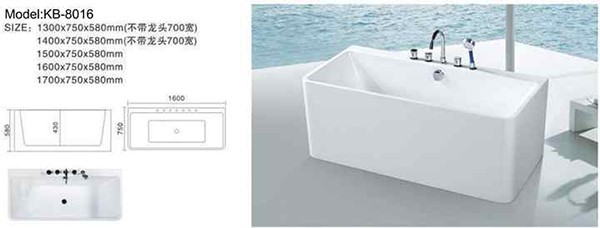
| Size | 1300/1400/1500/1600/1700*750*580MM |
| Type | Freestanding bathtub |
| material | Acrylic |
| Armrest | NO |
| Function | Soaking |
| Drain Location | Center |
| MOQ | 1 Piece |
| Faucet | Custom |
| Bathtub Accessory | Custom |
product feature and application
Japanese soaking tubs are becoming increasingly popular in modern households due to their unique features and applications. These tubs are crafted from high-quality materials like wood, copper, and stone. They are known for their depth, which allows users to immerse themselves fully in warm, soothing water to reap myriad health benefits.
One of the most notable features of Japanese soaking tubs is their compact size. Unlike traditional Western-style bathtubs, these tubs are much smaller, making them ideal for small bathrooms or studios. They are also designed to be deeper, allowing for a more comfortable and relaxing experience.
Another benefit of Japanese soaking tubs is their ability to help alleviate stress and promote relaxation. Soaking in hot water has been shown to lower blood pressure and cortisol levels, two of the main culprits of stress. Additionally, the warmth from the water can soothe achy muscles and joints, help with better sleep, and provide an overall sense of tranquility.
The materials used to craft these tubs also contribute to their appeal. Wooden tubs, for example, are often made from traditional Japanese wood such as hinoki or cedar, giving them a natural and calming aesthetic. Meanwhile, copper or stone tubs can add a touch of luxury that complements any modern bathroom.
In essence, Japanese soaking tubs are more than just a place to clean oneself. They provide an opportunity to indulge in a restful oasis that few other items in our modern lives can offer. Whether you're looking to incorporate some Eastern influences into your bathroom or simply need a way to unwind after a long day, a Japanese soaking tub may be just the solution you were looking for.
product details
product line

product qualification

deliver ,shipping ,service
| Quantity (sets) | 1 - 5 | 6 - 100 | 101 - 500 | > 500 |
| Lead time (days) | 15 | 20 | 30 | To be negotiated |
FAQ
1. What is a Japanese Soaking Tub and what are its unique features?
A Japanese Soaking Tub is a traditional bathtub that is deep and designed for full-body immersion, allowing bathers to soak in a seated position. Its unique features include its tall sides, which keep water hotter for longer periods of time, and the use of natural materials like wood and stone to create a peaceful, spa-like environment.
2. What are the benefits of a Japanese Soaking Tub?
Japanese Soaking Tubs provide a range of health benefits, including stress relief, improved circulation, and muscle relaxation. They also use less water than traditional Western-style bathtubs and can be more energy-efficient.
3. How do you fill a Japanese Soaking Tub?
To fill a Japanese Soaking Tub, the water should be heated separately and then poured into the tub with a bucket or a hose. The ideal temperature is between 100 and 105 degrees Fahrenheit.
4. How do you clean a Japanese Soaking Tub?
Japanese Soaking Tubs are often made of natural materials that require specific cleaning techniques. To clean a Japanese Soaking Tub, use a gentle soap and warm water, and avoid harsh chemicals or abrasive materials that could damage the finish.
5. How big is a Japanese Soaking Tub?
While sizes can vary, Japanese Soaking Tubs are typically smaller than Western-style bathtubs and designed for single-person use. They are often created to fit into compact spaces, making them ideal for small apartments or bathrooms.
6. Can I install a Japanese Soaking Tub in my home?
Yes, Japanese Soaking Tubs can be installed in most homes, but it's important to consider the weight and positioning before installation. It may also be necessary to hire a professional to ensure the tub is installed safely and correctly.
7. How much does a Japanese Soaking Tub cost?
The cost of a Japanese Soaking Tub can vary widely, depending on the size, materials, and features. However, they typically cost more than traditional Western-style bathtubs due to their unique design and construction.
8. What materials are used to make a Japanese Soaking Tub?
Japanese Soaking Tubs are often made of natural materials like wood, stone, or ceramic. The use of natural materials helps create a calming, spa-like environment and enhances the bathing experience.
9. How is a Japanese Soaking Tub different from a regular bathtub?
The main difference between a Japanese Soaking Tub and a regular bathtub is the shape and depth. Japanese Soaking Tubs are deep and designed for full-body immersion, while regular bathtubs are shallower and designed for lying down.
10. What are some popular styles of Japanese Soaking Tubs?
Some popular styles of Japanese Soaking Tubs include wooden tubs, ceramic tubs, and stone tubs. Each style offers its own unique aesthetic and benefits, such as the warmth of wood, the easy cleaning of ceramic, or the durability of stone.
Hot Tags: japanese soaking tub, manufacturers, suppliers, factory, cheap, custom, bathroom, free standing tub with legs, freestanding tub in alcove with shower, lightweight freestanding bathtub, metal freestanding bath, large stand alone tub, semi freestanding bathtub
Send Inquiry


